

Pinot noir graes are among the most celebrated and delicate grape varieties in the world of winemaking. Known for producing elegant, complex, and aromatic wines, these grapes have captured the attention of wine enthusiasts, sommeliers, and casual drinkers alike. Originating from France, particularly the Burgundy region, pinot noir gapes are now cultivated across various wine-producing regions worldwide.
Despite their popularity, pinot noir grapes are notoriously difficult to grow. Their thin skin, sensitivity to climate, and susceptibility to disease make them a challenge for vineyard owners. However, when cultivated successfully, they produce wines that are unmatched in finesse and character.
This article explores everything you need to know about pinot oir grapes—from their origin and characteristics to cultivation, flavor profiles, and global significance.
What Are Pinot Noir Grapes?
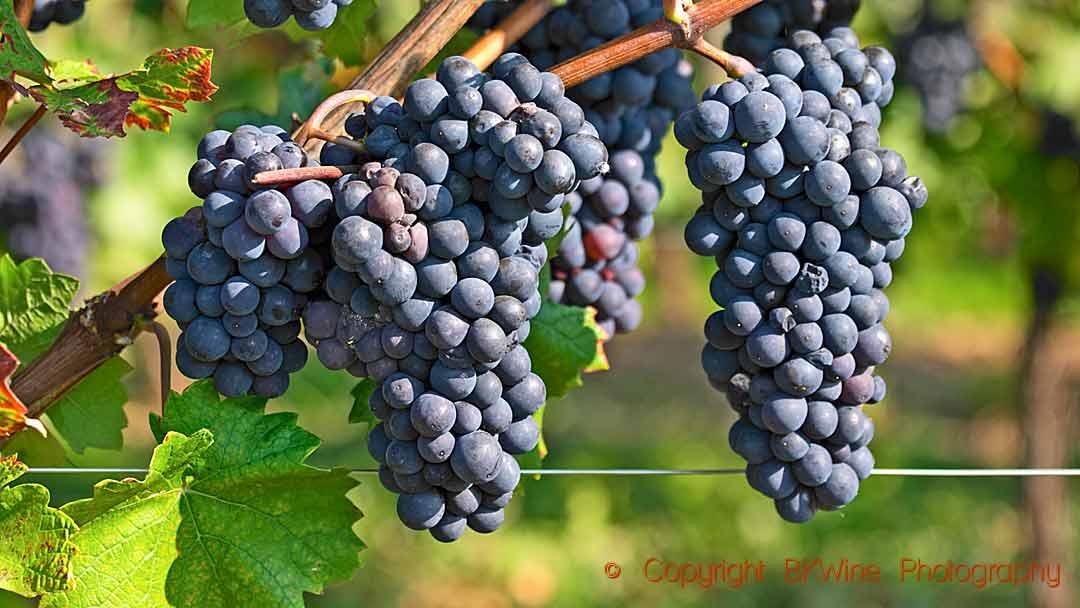
Pinot noir rapes are a red wine grape variety belonging to the species Vitis vinifera. The name “Pinot Noir” comes from the French words “pine” (pinot) and “black” (noir), referencing the grape’s tightly clustered, pinecone-shaped bunches and dark color.
These grapes are primarily used to produce red wines, but they are also used in sparkling wines such as Champagne. Pinot noir grapes are unique because they reflect their terroir (the environment in which they are grown) more than many other grape varieties.
History of Pinot Noir Grapes
Pinot noir have a long and fascinating history that dates back over 1,000 years. They were first cultivated by monks in the Burgundy region of France during the Middle Ages. These monks meticulously studied vineyard conditions and identified the best locations for growing high-quality grapes.
Over time, pinot nor grapes spread beyond France to other parts of Europe, including Germany and Switzerland. Today, they are grown in regions such as the United States, New Zealand, Chile, and Australia.
Their historical significance and association with premium wines have made pinot nir grapes one of the most prestigious grape varieties globally.
Pinot Noir Graps Characteristics
1. Thin Skin and Delicacy
Pinot noir rapes have thin skins, making them more susceptible to damage, disease, and environmental stress. This thin skin also contributes to the lighter color and softer tannins in the wine.
2. Complex Flavor Profile
Wines made from pinot nir grapes are known for their complexity. Common tasting notes include:
- Red fruits (cherry, raspberry, strawberry)
- Floral notes (rose, violet)
- Earthy tones (mushroom, forest floor)
- Subtle spices
3. High Acidity
Pinot noir gapes naturally have high acidity, which gives the wine freshness and makes it suitable for aging.
4. Low Tannin Levels
Compared to other red grape varieties like Cabernet Sauvignon, pinot noir gapes produce wines with lower tannin levels, resulting in a smoother mouthfeel.
How Pinot Noir rapes Are Grown
Growing pinot noir grpes is considered an art. These grapes require very specific conditions to thrive.
Climate Requirements
Pinot noir grpes prefer cool climates. Regions with moderate temperatures allow the grapes to ripen slowly, developing complex flavors without losing acidity.
Soil Preferences
Well-drained soils, particularly limestone and clay, are ideal for pinot noir rapes. These soil types help maintain the balance between moisture retention and drainage.
Challenges in Cultivation
- Susceptibility to disease
- Sensitivity to temperature changes
- Early budding (risk of frost damage)
- Uneven ripening
Due to these challenges, producing high-quality pinot oir grapes requires careful vineyard management and expertise.
Top Regions for Pinot Noir rapes
1. Burgundy, France
The birthplace of pinot noir gapes, Burgundy produces some of the finest and most expensive wines in the world.
2. California, USA
Regions like Sonoma and Napa Valley are known for producing fruit-forward styles of pinot noir gapes.
3. Oregon, USA
The Willamette Valley is famous for its elegant and balanced pinot noir wines.
4. New Zealand
Central Otago and Marlborough produce vibrant and aromatic wines from pinot noirgrapes.
5. Germany
Known as “Spätburgunder,” German pinot noir graes produce lighter and more delicate wines.
Flavor Profile of Pinot Noir rapes
The flavor profile of pinot noirgrapes varies depending on the region and climate.
Cool Climate Flavors
- Cranberry
- Raspberry
- Herbal notes
Warm Climate Flavors
- Ripe cherry
- Plum
- Sweet spice
Aging Characteristics
With age, wines made from pinot noir gapes develop:
- Earthy aromas
- Leather notes
- Mushroom-like complexity
Pinot Noir Gapes in Winemaking
Winemakers handle pinot noir graes with great care due to their delicate nature.
Harvesting
Pinot noir grapes are often hand-harvested to prevent damage.
Fermentation
Gentle fermentation techniques are used to preserve the grape’s natural flavors.
Aging
These wines are often aged in oak barrels, which add subtle notes of vanilla and spice.
Why Pinot Noir Grapes Are So Popular
There are several reasons why pinot noir grapes are highly valued:
- Elegant and refined taste
- Versatility in food pairing
- Expression of terroir
- Aging potential
Wine lovers appreciate the subtlety and complexity that pinot noir grapes offer compared to bolder varieties.
Food Pairing with Pinot Noir Grapes Wines
Wines made from pinot noir grapes are extremely versatile when it comes to food pairing.
Best Pairings
- Grilled chicken
- Salmon
- Duck
- Mushroom dishes
- Soft cheeses
The balanced acidity and low tannins make these wines suitable for a wide range of cuisines.
Health Benefits of Pinot Noir Grapes
Pinot noir grapes contain beneficial compounds such as antioxidants and resveratrol.
Potential Benefits
- Supports heart health
- Reduces inflammation
- Contains anti-aging properties
Moderate consumption of wine made from pinot noir grapes may contribute to overall wellness.
Differences Between Pinot Noir Grapes and Other Varieties
Pinot Noir vs Cabernet Sauvignon
- Pinot noir grapes: lighter body, higher acidity
- Cabernet Sauvignon: fuller body, higher tannins
Pinot Noir vs Merlot
- Pinot noir grapes: more delicate and aromatic
- Merlot: smoother and fruitier
These differences make pinot noir grapes unique and appealing to a specific audience.
Common Challenges with Pinot Noir Grapes
Despite their popularity, pinot noir grapes come with several challenges:
- Difficult to grow
- Sensitive to climate
- Expensive production
- Inconsistent quality
These factors contribute to the higher price of wines made from pinot noir grapes.
Future of Pinot Noir Grapes
With climate change affecting wine regions worldwide, the future of pinot noir grapes is evolving. Warmer temperatures are pushing vineyards to higher altitudes and cooler areas.
Winemakers are also experimenting with new techniques to maintain the quality and characteristics of pinot noir grapes.
Conclusion: The Timeless Appeal of Pinot Noir Grapes
Pinot noir grapes remain one of the most respected and admired grape varieties in the wine industry. Their delicate nature, complex flavors, and ability to reflect terroir make them truly unique.
While they are challenging to cultivate, the rewards are undeniable. From Burgundy to New Zealand, pinot noir grapes continue to produce some of the finest wines in the world.
Whether you are a beginner or a seasoned wine enthusiast, exploring wines made from pinot noir grapes is a journey worth taking.
