


The keyword 192.168.l.70.1 is commonly searched by users who want to access their router admin panel, update WiFi settings, improve internet security, or troubleshoot network problems. Many internet users type this IP address into their browser while trying to log into their modem or wireless router.
Although many people search for 192.168.l.70.1, there is often confusion between the letter “l” and the number “1.” In most cases, the correct router IP address is 192.168.1.70 or another private IP address assigned by the router manufacturer. However, because the keyword 192.168.l.70.1 is popular in search engines, users continue searching for it when looking for networking help.
This detailed guide explains how router login systems work, how to access router settings, how to change WiFi passwords, how to fix common router issues, and how to improve network security.
What Is 192.168.l.70.1?
192.168.l.70.1 is considered a private IP address keyword often associated with router administration and local network management. Private IP addresses are used inside homes, offices, schools, and business networks to identify devices connected to the same network.
Routers use private IP ranges to manage communication between connected devices such as:
- Smartphones
- Laptops
- Desktop computers
- Gaming consoles
- Smart TVs
- Printers
- CCTV systems
- Smart home devices
When users enter 192.168.l.70.1 into a web browser, they usually expect to open the router admin page where they can configure internet settings.
Why People Search for 192.168.l.70.1
There are many reasons users search for 192.168.l.70.1 online. Some users want to reset their WiFi password, while others need help fixing internet connection problems.
Common reasons include:
- Accessing router login pages
- Changing WiFi names
- Updating router passwords
- Configuring parental controls
- Improving internet speed
- Blocking unknown users
- Managing connected devices
- Updating router firmware
- Fixing network problems
- Securing home WiFi networks
Because networking terms can be confusing for beginners, many users rely on guides related to 192.168.l.70.1 to understand the router login process.
How Router IP Addresses Work
Every router uses an IP address for internal communication. A private IP address helps devices connect within a local area network.
Common router IP addresses include:
- 192.168.0.1
- 192.168.1.1
- 192.168.100.1
- 192.168.1.254
- 10.0.0.1
These addresses allow users to open router settings through a browser.
When you enter a router IP address, the browser connects directly to the router management system. This interface lets administrators manage the network.
How to Access 192.168.l.70.1 Router Login
If you want to access the router admin panel using 192.168.l.70.1, follow these steps carefully.
Step 1: Connect to the Router
Make sure your device is connected to the router through:
- WiFi connection
- Ethernet cable
Without a connection to the router network, the admin page will not open.
Step 2: Open a Web Browser
Use any modern browser such as:
- Google Chrome
- Mozilla Firefox
- Microsoft Edge
- Safari
Step 3: Enter 192.168.l.70.1
Type 192.168.l.70.1 into the browser address bar.
Do not enter it into a search engine because that may show unrelated results.
Step 4: Enter Router Username and Password
Most routers require login credentials.
Common default usernames:
- admin
- user
- administrator
Common default passwords:
- admin
- password
- 1234
- blank password
If the credentials were changed previously, use the updated login details.
192.168.l.70.1 Admin Login Explained
The admin panel is the central control system for your router. Once logged in, users can configure:
- Wireless settings
- Network security
- Device management
- Port forwarding
- Firewall settings
- DNS settings
- Bandwidth control
- Guest networks
The 192.168.l.70.1 admin login page may look different depending on the router brand.
Popular router manufacturers include:
- TP-Link
- D-Link
- Huawei
- Tenda
- Netgear
- Asus
- Linksys
- ZTE
Each router brand uses a unique dashboard layout.
How to Change WiFi Password Using 192.168.l.70.1
Changing the WiFi password regularly helps improve internet security.
Step-by-Step Password Change
- Open the router login page
- Enter admin credentials
- Go to Wireless Settings
- Select WiFi Security
- Enter a new password
- Save changes
- Reconnect all devices
A strong password should include:
- Uppercase letters
- Lowercase letters
- Numbers
- Symbols
Avoid simple passwords like:
- 12345678
- password
- admin123
How to Change WiFi Name Through 192.168.l.70.1
Your WiFi name is also called the SSID.
To change it:
- Log into the router
- Open Wireless Settings
- Find the SSID option
- Enter a new network name
- Save settings
A unique WiFi name makes your network easier to identify.
Common Problems With 192.168.l.70.1
Many users face technical problems while trying to access router settings.
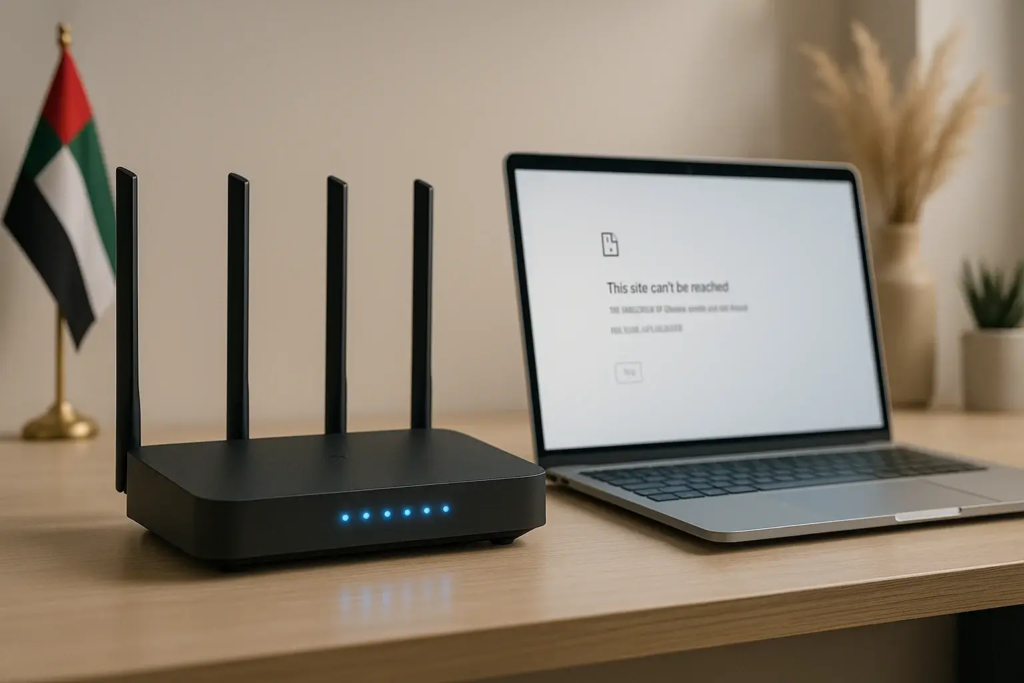
192.168.l.70.1 Not Opening
If the login page does not open, possible causes include:
- Incorrect IP address
- Weak network connection
- Browser cache issues
- Router malfunction
- Wrong gateway address
Solutions include:
- Restarting the router
- Clearing browser cache
- Trying another browser
- Using the correct router IP
- Checking network cables
192.168.l.70.1 Username and Password Issues
Sometimes users cannot remember router credentials.
Possible fixes:
- Check the router sticker
- Use default login details
- Reset the router
- Contact the internet provider
If the password was changed and forgotten, a factory reset may be necessary.
How to Reset Router Connected to 192.168.l.70.1
A factory reset restores the router to default settings.
Reset Steps
- Locate the reset button
- Press and hold for 10–15 seconds
- Wait for the router to restart
- Reconfigure the network
After reset, all customized settings are removed.
Importance of Router Security
Cybersecurity is important for every internet user. An unsecured router can expose personal information and internet activity.
Router security protects:
- Personal data
- Banking information
- Smart home systems
- Connected devices
- Online accounts
Users searching for 192.168.l.70.1 often want to secure their wireless networks.
Best Security Tips for 192.168.l.70.1 Networks
Use Strong Passwords
Avoid weak passwords and update them regularly.
Enable WPA2 or WPA3 Encryption
Modern encryption standards provide stronger protection.
Disable WPS
WPS may create security risks on some routers.
Update Router Firmware
Firmware updates fix bugs and improve security.
Change Default Admin Credentials
Never keep the default username and password.
How to Update Router Firmware
Firmware is the internal software that controls router performance.
Firmware Update Process
- Login to the router
- Open System Tools
- Select Firmware Upgrade
- Upload firmware file
- Wait for installation
Never turn off the router during updates.
Understandng Private IP Addresses
Private IP addresses are reserved for internal networking.
The three main private IP ranges are:
- 10.0.0.0 to 10.255.255.255
- 172.16.0.0 to 172.31.255.255
- 192.168.0.0 to 192.168.255.255
These IP addresses cannot be accessed directly from the public internet.
Difference Between Public and Private IP Addresses
Public IP Address
A public IP address is assigned by an internet service provider.
It allows communication over the internet.
Private IP Address
A private IP address works only inside local networks.
Routers use private IPs to manage connected devices.
The keyword 192.168.l.70.1 belongs to the private networking category.
How to Find Your Router IP Address
Sometimes the router uses a different gateway address.
On Windows
- Open Command Prompt
- Type ipconfig
- Find Default Gateway
On Android
- Open WiFi Settings
- Tap Connected Network
- View Gateway Information
On macOS
- Open Network Settings
- Select WiFi
- Click Advanced
- View Router Address
192.168.l.70.1 and Internet Speed Optimization
Many users access router settings to improve internet performance.
Tips for Better Speed
- Place router centrally
- Avoid thick walls
- Reduce interference
- Restart router regularly
- Disconnect unused devices
- Upgrade old routers
Network congestion may slow internet speed significantly.
Parental Controls Using 192.168.l.70.1
Modern routers provide parental control features.
These controls help parents:
- Limit screen time
- Block websites
- Restrict downloads
- Monitor internet usage
- Schedule internet access
Parental control settings are usually available inside the router dashboard.
Guest Networks and 192.168.l.70.1
A guest network allows visitors to use internet access without exposing the main network.
Benefits include:
- Better privacy
- Improved security
- Device isolation
- Easier password sharing
Guest networks are useful for homes, cafes, and offices.
Port Forwarding Through 192.168.l.70.1
Port forwarding helps external devices communicate with local devices.
It is commonly used for:
- Online gaming
- CCTV cameras
- Remote desktop access
- Hosting servers
Incorrect port forwarding may create security vulnerabilities.
DNS Settings and 192.168.l.70.1
DNS servers convert website names into IP addresses.
Users can change DNS settings for:
- Faster browsing
- Better privacy
- Improved security
- Website filtering
Popular DNS providers include:
- Google DNS
- Cloudflare DNS
- OpenDNS
Mesh WiFi Systems and Router Management
Large homes often experience weak WiFi signals.
Mesh WiFi systems solve this problem by using multiple access points.
Advantages include:
- Better coverage
- Faster roaming
- Stable connections
- Reduced dead zones
Many mesh systems also use browser-based admin panels similar to 192.168.l.70.1 login systems.
How Businesses Use Router Management Panels
Businesses rely heavily on secure networking.
Router admin systems help companies:
- Manage employees
- Secure sensitive data
- Monitor internet usage
- Prioritize bandwidth
- Control access permissions
Enterprise-grade routers include advanced security tools.
192.168.l.70.1 for Smart Home Devices
Smart homes depend on strong wireless connectivity.
Connected devices include:
- Smart bulbs
- Security cameras
- Voice assistants
- Smart locks
- Smart TVs
- Thermostats
Router settings help maintain stable connections for these devices.
Common Router Brands and Login Systems
Different router manufacturers use different admin interfaces.
TP-Link Routers
Known for simple dashboards and beginner-friendly settings.
Netgear Routers
Popular for gaming and high-speed internet.
Asus Routers
Offer advanced customization features.
Huawei Routers
Commonly used with fiber internet connections.
Despite design differences, most routers follow similar login procedures.
Wireless Frequency Bands Explained
Modern routers support different frequency bands.
2.4 GHz Band
- Longer range
- Slower speed
- Better wall penetration
5 GHz Band
- Faster speed
- Lower interference
- Shorter range
Dual-band routers automatically balance devices across frequencies.
Why Router Login Pages Fail
Several technical issues may prevent access to the admin panel.
Common causes:
- Wrong browser address
- Disabled network adapter
- IP conflicts
- Firewall restrictions
- Outdated firmware
- Hardware failure
Basic troubleshooting often resolves these problems quickly.
Browser Tips for 192.168.l.70.1 Access
Sometimes browsers block router interfaces due to security warnings.
Helpful tips:
- Disable VPN temporarily
- Clear cookies
- Try incognito mode
- Use updated browsers
- Disable unnecessary extensions
These methods may solve login page loading issues.
Mobile Access for 192.168.l.70.1
Most users now manage routers using smartphones.
Mobile router management allows:
- Quick password changes
- Device monitoring
- Internet pausing
- Guest network control
- Security alerts
Many router brands also provide dedicated mobile applications.
Internet Providers and Router Settings
Internet service providers often configure routers before installation.
Users may receive:
- Default WiFi names
- Default passwords
- Preconfigured security settings
ISP-provided routers may restrict some advanced settings.
How to Improve WiFi Signal Strength
Weak signals are a common complaint.
Effective Solutions
- Move the router higher
- Keep away from metal objects
- Reduce electronic interference
- Use WiFi extenders
- Upgrade antennas
Signal quality directly impacts streaming and gaming performance.
Understanding DHCP in Router Networks
DHCP automatically assigns IP addresses to connected devices.
Without DHCP, users would need manual configuration.
Benefits include:
- Easier device management
- Faster network setup
- Reduced configuration errors
Most home routers enable DHCP by default.
VPN Configuration Through Router Settings
Some routers support VPN connections.
VPN benefits include:
- Enhanced privacy
- Secure browsing
- Remote access
- Protection on public WiFi
Advanced routers allow VPN setup directly from the admin panel.
Firewall Features in Router Dashboards
A firewall protects networks from unauthorized access.
Router firewalls help:
- Block malicious traffic
- Prevent hacking attempts
- Filter suspicious connections
- Improve cybersecurity
Firewall settings should remain enabled for better protection.
192.168.l.70.1 and Online Gaming
Gamers often access router settings to improve latency.
Useful gaming optimizations:
- Enable QoS
- Use Ethernet connections
- Reduce background downloads
- Configure gaming ports
- Upgrade bandwidth plans
Stable networking improves multiplayer gaming experiences.
QoS Settings and Bandwidth Control
Quality of Service prioritizes internet traffic.
QoS can prioritize:
- Video calls
- Streaming
- Gaming
- Work applications
This feature improves performance during heavy internet usage.
Cloud Management and Modern Routers
New routers now support cloud-based management.
Benefits include:
- Remote monitoring
- Security alerts
- Device control
- Automatic updates
Cloud access makes router management easier for beginners.
Frequently Asked Questions About 192.168.l.70.1
Is 192.168.l.70.1 a Real Router IP?
Many users type this keyword while searching for router login help. In some cases, the issue comes from typing the letter “l” instead of the number “1.”
Why Is My Router Login Not Working?
Possible reasons include incorrect IP addresses, wrong passwords, browser issues, or router connection problems.
How Do I Reset My Router Password?
You can change the password through wireless settings or perform a factory reset if credentials are forgotten.
Can I Access Router Settings on Mobile?
Yes, smartphones and tablets can access router dashboards using web browsers or official apps.
Is It Safe to Change Router Settings?
Yes, but users should understand the settings before making major changes.
Future of Router Technology
Networking technology continues evolving rapidly.
Future routers may include:
- AI-powered optimization
- Stronger cybersecurity
- Faster WiFi standards
- Better smart home integration
- Automatic troubleshooting
Modern internet usage requires stable, secure, and high-speed networking systems.
Final Thoughts on 192.168.l.70.1
The keyword 192.168.l.70.1 remains widely searched by users looking for router login assistance, WiFi management help, and internet troubleshooting solutions. Understanding router settings can improve network security, internet speed, and overall connectivity.
Whether you want to change your WiFi password, secure your network, configure parental controls, or optimize gaming performance, router admin panels provide powerful tools for managing your internet connection.
Beginners should always proceed carefully while changing advanced settings, and keeping routers updated is essential for long-term security and performance.
With proper router management knowledge, users can create faster, safer, and more reliable home or office networks.
