

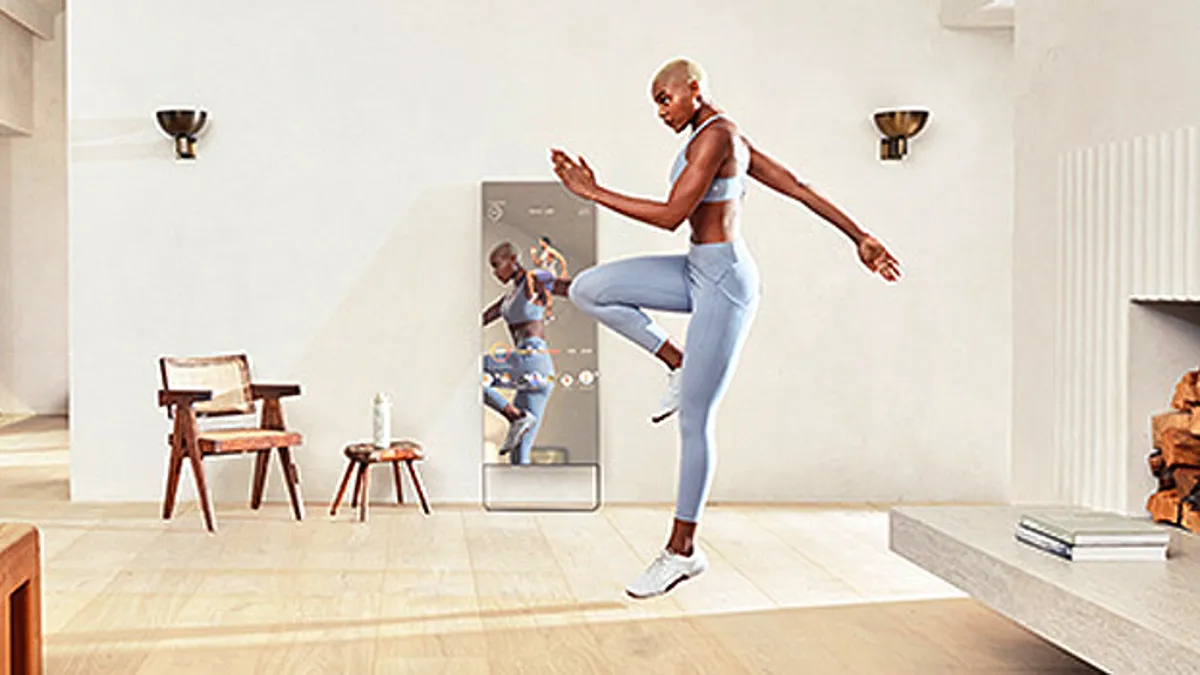
The mirror workout has become one of the most effective training methods for beginners, athletes, bodybuilders, and fitness enthusiasts alike. While mirrors have always been a common feature in gyms, many people underestimate how valuable they can be during exercise.
A mirror is much more than a decorative wall. It acts as an instant feedback system, helping you monitor posture, improve exercise form, and build a stronger mind-muscle connection. Whether you’re lifting weights, practicing yoga, performing bodyweight exercises, or training for sports, using a mirror correctly can dramatically improve workout quality.
In this comprehensive guide, you’ll learn everything about the mirrorworkout, including its benefits, proper techniques, workout routines, scientific advantages, common mistakes, and practical tips for getting the best results.
What Is The MirrorWorkout?
The mirrorworkout refers to exercising while observing your movements in a mirror. Instead of relying only on feeling your body position, you receive immediate visual feedback that allows you to correct mistakes instantly.
Professional athletes, personal trainers, dancers, and physiotherapists have used mirrors for decades because visual learning is one of the fastest ways to improve movement quality.
Rather than simply watching yourself, the goal is to analyze your posture, balance, alignment, and muscle engagement throughout every repetition.
Why The Mirror Workout Is So Popular
The popularity of the mirror workout continues to grow because people want safer and more effective training methods.
Some major reasons include:
- Better exercise technique
- Reduced injury risk
- Improved posture
- Increased confidence
- Stronger mind-muscle connection
- Faster learning for beginners
- Better symmetry during training
- Immediate correction of mistakes
Many commercial gyms install mirrors across entire walls specifically because they improve workout performance.
Benefits of The Mirror Workout
The Mirror Workout Improves Exercise Form
Good technique is the foundation of every fitness program.
Using a mirror allows you to notice:
- Rounded shoulders
- Bent back
- Knee position
- Elbow alignment
- Hip movement
- Neck posture
Correcting these issues during each repetition helps create better movement patterns over time.
The Mirror Workout Builds Better Mind-Muscle Connection
One of the biggest advantages of the mirror workout is developing a stronger mind-muscle connection.
When you can actually see muscles contracting, your brain learns to activate them more efficiently.
This is especially useful for:
- Chest workouts
- Shoulder exercises
- Back training
- Biceps curls
- Triceps extensions
- Glute exercises
Many bodybuilding coaches recommend mirrors specifically for this reason.
The Mirror Workout Helps Prevent Injuries
Incorrect form causes many gym injuries.
Common problems include:
- Knees collapsing inward
- Rounded lower back
- Excessive shoulder movement
- Poor squat depth
A mirror provides immediate correction before these mistakes become dangerous.
The Mirror Workout Improves Posture
Modern lifestyles often create poor posture due to:
- Sitting all day
- Computer work
- Smartphone use
- Weak back muscles
Mirror training encourages proper spinal alignment during every movement.
Over time, this awareness often carries into daily life.
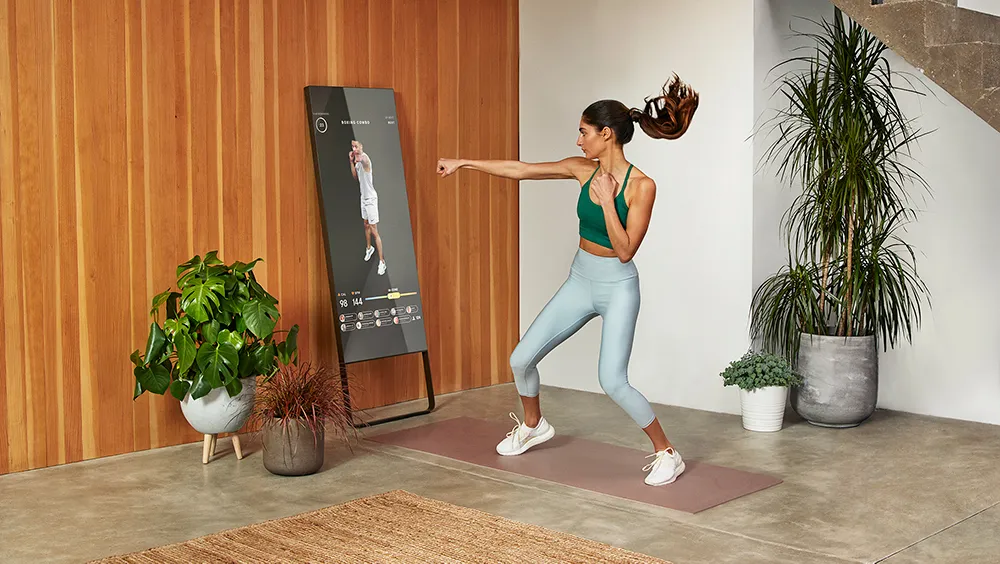
The Mirror Workout Increases Workout Confidence
Many beginners feel unsure whether they are exercising correctly.
Watching yourself perform exercises properly increases confidence and reduces hesitation.
As your body changes, seeing visible progress can also become a strong source of motivation.
The Science Behind The Mirror Workout
Research in motor learning suggests that visual feedback helps people learn movement patterns more efficiently.
Your brain processes visual information alongside muscle sensations, allowing faster correction of movement errors.
This combination leads to:
- Better coordination
- Improved balance
- Increased movement efficiency
- Faster skill development
Physical therapists frequently use mirrors during rehabilitation because patients can immediately recognize movement mistakes.
Who Should Try The Mirror Workout?
The mirror workout is suitable for almost everyone.
It works especially well for:
Beginners
New exercisers learn proper technique much faster.
Bodybuilders
Visual muscle contraction improves muscle activation.
Athletes
Sports performance improves through better body awareness.
Seniors
Balance and posture become easier to monitor.
Yoga Practitioners
Correct alignment reduces strain while improving flexibility.
Best Exercises for The Mirror Workout
Some exercises benefit more than others.
The Mirror Workout for Squats
Watch for:
- Straight back
- Knee tracking
- Hip position
- Balanced weight
A mirror quickly reveals improper squat mechanics.
The Mirror Workout for Deadlifts
Deadlifts require excellent posture.
Use the mirror to monitor:
- Neutral spine
- Hip hinge
- Shoulder position
- Bar path
Never sacrifice proper technique for heavier weight.
The Mirror Workout for Shoulder Press
Watch your:
- Elbow position
- Arm symmetry
- Back alignment
- Head position
This prevents uneven pressing patterns.
The Mirror Workout for Lunges
Many people lean excessively during lunges.
Mirror feedback helps maintain:
- Upright torso
- Knee alignment
- Equal stride length
- Balanced hips
The Mirror Workout for Push-Ups
Use the mirror to check:
- Straight body line
- Shoulder position
- Core engagement
- Elbow movement
Full Body The Mirror Workout Routine
Here’s a beginner-friendly mirror workout.
Warm-Up (5 Minutes)
- Arm circles
- Bodyweight squats
- Hip rotations
- Jumping jacks
- Dynamic stretching
Workout
Squats
3 sets × 12 reps
Push-Ups
3 sets × 10 reps
Lunges
3 sets × 10 each leg
Plank
3 sets × 30–60 seconds
Shoulder Press
3 sets × 12 reps
Bent-Over Rows
3 sets × 12 reps
Glute Bridges
3 sets × 15 reps
Cool Down
- Hamstring stretch
- Chest stretch
- Shoulder stretch
- Hip flexor stretch
- Deep breathing
Common Mistakes During The Mirror Workout
Many people misuse mirrors.
Avoid these common mistakes.
Looking at Yourself Too Much
Constantly staring at your reflection can reduce concentration.
Instead, glance briefly to check technique.
Ignoring Body Feel
Visual feedback should complement—not replace—how your body feels.
Pain or discomfort should never be ignored simply because your form appears correct.
Using Heavy Weights Too Soon
Perfect your technique before increasing resistance.
The mirror helps reinforce proper movement patterns.
Comparing Yourself to Others
Focus on your own progress.
The mirror is a tool for self-improvement—not comparison.
The Mirror Workout for Muscle Growth
Bodybuilders often use mirrors because they improve muscle contraction awareness.
This helps during:
- Slow repetitions
- Isolation exercises
- Peak contractions
- Time under tension
Better muscle activation often leads to improved training quality over time.
The Mirror Workout for Weight Loss
Although mirrors don’t directly burn calories, they can improve workout efficiency.
Benefits include:
- Better exercise quality
- Higher motivation
- More consistent workouts
- Improved confidence
- Better posture
These factors contribute to long-term weight-loss success.
Home The Mirror Workout
You don’t need a commercial gym.
A large mirror at home works perfectly.
Ideal home exercises include:
- Air squats
- Push-ups
- Yoga
- Pilates
- Resistance bands
- Dumbbell exercises
- Stretching routines
Even a wardrobe mirror can provide valuable feedback.
The Mirror Workout for Beginners
If you’re just starting:
- Learn one exercise at a time.
- Watch posture carefully.
- Move slowly.
- Practice with light weights.
- Focus on consistency rather than intensity.
This approach builds safe movement habits from the beginning.
Advanced The Mirror Workout Tips
Once you’re experienced:
- Use mirrors only for technical checkpoints.
- Develop body awareness without relying entirely on reflections.
- Record your workouts occasionally for additional feedback.
- Train both sides equally.
- Maintain controlled repetitions.
Can The Mirror Workout Improve Athletic Performance?
Yes.
Athletes benefit from improved:
- Coordination
- Balance
- Movement efficiency
- Joint positioning
- Technique consistency
Sports such as tennis, basketball, football, martial arts, gymnastics, and weightlifting often include mirror-based technical practice.
Mental Benefits of The Mirror Workout
Exercise improves mental health, and mirrors can reinforce positive habits.
Potential benefits include:
- Increased confidence
- Better body awareness
- Higher motivation
- Improved discipline
- Greater focus during training
The key is using the mirror as a learning tool rather than judging appearance.
Equipment for The Mirror Workout
Helpful equipment includes:
- Adjustable dumbbells
- Resistance bands
- Kettlebells
- Yoga mat
- Stability ball
- Pull-up bar
- Foam roller
These tools pair well with mirror-based training.
How Often Should You Do The Mirror Workout?
Most people can use mirrors during nearly every training session.
A balanced weekly schedule might include:
- Monday: Upper body
- Tuesday: Lower body
- Wednesday: Mobility and stretching
- Thursday: Full-body strength
- Friday: Cardio and core
- Saturday: Functional training
- Sunday: Active recovery
The Mirror Workout vs Training Without a Mirror
| Mirror Workout | Training Without Mirror |
|---|---|
| Immediate visual feedback | Relies on body awareness |
| Easier technique correction | Harder to spot mistakes |
| Better posture monitoring | Greater proprioception over time |
| Helpful for beginners | Better for experienced athletes in some situations |
Both approaches have value, but mirrors are especially useful while learning new movements.
Frequently Asked Questions About The Mirror Workout
Is the mirror workout good for beginners?
Yes. Beginners often learn correct exercise form faster with visual feedback.
Can I do the mirror workout at home?
Absolutely. Any full-length mirror can help you monitor posture and movement.
Does the mirror workout build muscle?
The mirror itself doesn’t build muscle, but it can improve technique and muscle activation, leading to more effective workouts.
Should I always use mirrors while exercising?
No. Use mirrors as a coaching tool, but also develop body awareness so you don’t become dependent on visual feedback.
Is the mirror workout effective for weight loss?
It supports weight-loss efforts by improving exercise quality and helping you stay consistent with your training.
Final Thoughts on The Mirror Workout
The mirror workout is one of the simplest yet most effective ways to improve exercise quality, regardless of your fitness level. By providing instant visual feedback, it helps you refine technique, reduce injury risk, improve posture, and strengthen the mind-muscle connection.
Whether you’re working out in a commercial gym or exercising at home, using a mirror thoughtfully can make every repetition more productive. Remember to use it as a guide—not a distraction—and combine visual feedback with proper programming, progressive overload, good nutrition, and adequate recovery.
When practiced consistently, the mirror workout can help you build strength, enhance confidence, and develop better movement patterns that benefit both your workouts and everyday life.
