

In modern software development, keeping dependencies up to date is essential for performance, security, and compatibility. One such dependency that developers often work with is oxzep7 in Python-based environments. Whether you are building applications, managing backend systems, or maintaining data pipelines, understanding how to properly perform an upgrade oxzep7 python process is crucial.
Upgrading packages is not just about getting the latest features. It also ensures bug fixes, improved efficiency, and better integration with other libraries. However, improper upgrades can break your environment or cause unexpected errors. This guide will walk you through everything you need to know in a structured
What is oxzep7 in Python?
Before learning how to perform an upgrade oxzep7 python, it is important to understand what oxzep7 represents in a Python ecosystem.
oxzep7 is generally considered a Python-based package or module used in application development workflows. Developers may use it for:
- Data processing tasks
- API integrations
- Backend logic handling
- Automation workflows
- Utility functions in larger systems
Like many Python packages, oxzep7 evolves over time. New versions often include performance improvements, security patches, and additional features. That is why upgrading it properly becomes essential for long-term stability.
Why Upgrade oxzep7 Python is Important
Performing a proper upgrade oxzep7 python process offers several advantages:
1. Security Improvements
Older versions may contain vulnerabilities. Upgrading ensures that security patches are applied.
2. Performance Enhancements
Each new release may optimize memory usage or execution speed.
3. Bug Fixes
Known issues from previous versions are usually resolved in newer updates.
4. Compatibility Updates
Upgrading helps maintain compatibility with newer Python versions and other dependencies.
5. Feature Additions
New functionalities can improve productivity and development flexibility.
Ignoring updates may lead to outdated workflows, compatibility errors, or even system crashes in production environments.
Prerequisites Before Upgrade oxzep7 Python
Before performing an upgrade oxzep7 python, ensure the following conditions are met:
1. Python Installed
Make sure Python is installed on your system. You can verify it using:
python --version2. pip Package Manager Available
pip is required for upgrading Python packages:
pip --version3. Virtual Environment (Recommended)
Always use a virtual environment to avoid dependency conflicts:
python -m venv env
source env/bin/activate  # Linux/Mac
env\Scripts\activate     # Windows
4. Backup Current Environment
Before upgrading, it is smart to export dependencies:
pip freeze > requirements.txtHow to Upgrade oxzep7 Python Step-by-Step
Now let’s go through the main process of performing an upgrade oxzep7 python safely.
Step 1: Check Current Version
First, check the installed version:
pip show oxzep7This helps you confirm what version you are upgrading from.
Step 2: Upgrade oxzep7 Python Using pip
To upgrade the package to the latest version:
pip install --upgrade oxzep7This command automatically fetches and installs the newest version available.
Step 3: Install Specific Version (Optional)
If you need a particular version:
pip install oxzep7==2.0.1This is useful for maintaining stability in production systems.
Step 4: Verify Upgrade
After upgrading, confirm the new version:
pip show oxzep7Common Issues During Upgrade oxzep7 Python
Even though the process is simple, users may encounter issues while performing upgrade oxzep7 python.
1. Permission Errors
Solution:
Use administrator privileges or add --user flag:
pip install --upgrade oxzep7 --user2. Dependency Conflicts
If other packages conflict:
pip install --upgrade oxzep7 --force-reinstall3. Network Errors
Check internet connection or use a different pip mirror:
pip install --upgrade oxzep7 -i https://pypi.org/simple4. Virtual Environment Not Activated
Ensure your environment is active before upgrading.
Best Practices for Upgrade oxzep7 Python
Following best practices ensures smooth upgrades without breaking your system.
1. Always Use Virtual Environments
Isolate project dependencies.
2. Test in Development First
Never upgrade directly in production.
3. Read Release Notes
Understand what has changed in the new version.
4. Keep Requirements File Updated
Run:
pip freeze > requirements.txt5. Upgrade Gradually
Avoid jumping multiple major versions at once.
Security Considerations in Upgrade oxzep7 Python
Security is a major reason for upgrading packages.
When performing an upgrade oxzep7 python, consider:
- Checking for known vulnerabilities
- Using trusted sources like PyPI
- Avoiding unofficial package repositories
- Verifying package integrity
Regular updates reduce exposure to malicious exploits and outdated code vulnerabilities.
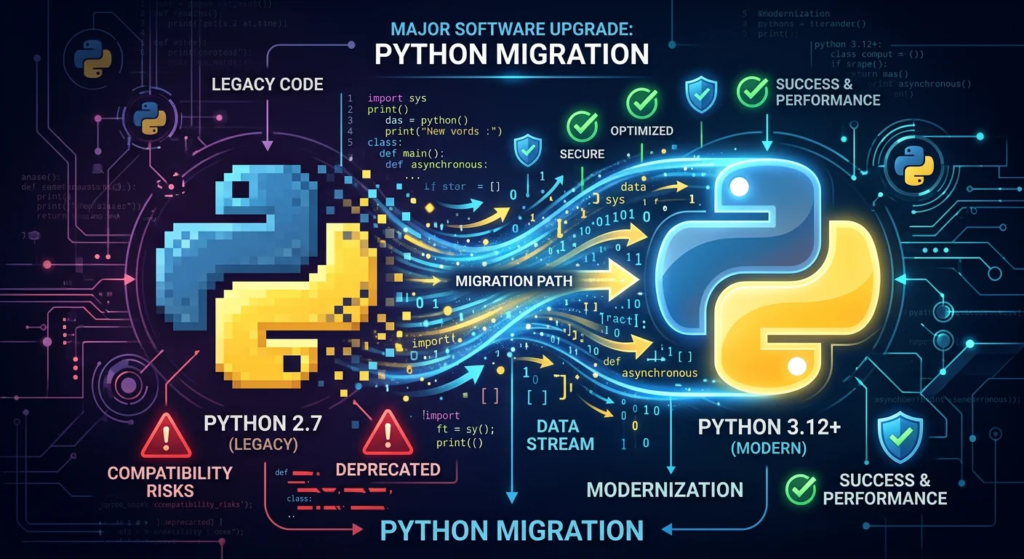
Performance Impact After Upgrade
Upgrading oxzep7 can significantly improve system performance.
Possible improvements include:
- Faster execution of functions
- Reduced memory consumption
- Improved API response times
- Optimized internal algorithms
However, in some cases, newer versions may introduce changes that require code adjustments.
Version Compatibility in Upgrade oxzep7 Python
Compatibility is a key factor when upgrading.
You should check:
- Python version compatibility
- Dependency compatibility
- Framework compatibility (Django, Flask, etc.)
Example:
Some versions of oxzep7 may not support older Python versions, so upgrading Python may also be required.
Advanced Tips for Upgrade oxzep7 Python
For advanced users, these tips can improve workflow efficiency:
1. Use pip list to Audit Packages
pip list --outdated2. Automate Upgrades
Use scripts or CI/CD pipelines to manage upgrades.
3. Use pip-tools
Helps lock dependencies for stable builds.
4. Log Changes
Maintain a changelog for tracking upgrades.
When You Should NOT Upgrade oxzep7 Python
Avoid upgrading in these situations:
- Production system without testing
- When documentation is unclear
- When dependent libraries are not yet compatible
- During critical live deployments
Real-World Use Cases of Upgrade oxzep7 Python
1. Web Applications
Ensures backend APIs run smoothly.
2. Data Science Projects
Keeps data pipelines stable and efficient.
3. Automation Systems
Improves script reliability and execution speed.
4. Enterprise Software
Maintains security compliance in large systems.
FAQs About Upgrade oxzep7 Python
Q1: How often should I perform upgrade oxzep7 python?
It depends on your project, but checking monthly updates is recommended.
Q2: Can upgrading break my project?
Yes, if dependencies are incompatible. Always test first.
Q3: Is pip upgrade safe?
Yes, when used correctly in a virtual environment.
Q4: How do I rollback after upgrade oxzep7 python?
You can reinstall the previous version:
pip install oxzep7==previous_versionConclusion
Performing an upgrade oxzep7 python process is essential for maintaining a secure, fast, and stable development environment. While the process itself is simple, the impact on your system can be significant. From improving performance to fixing vulnerabilities, upgrading ensures your Python applications remain modern and efficient.
By following the steps, best practices, and troubleshooting methods outlined in this guide, you can confidently manage oxzep7 upgrades without risking system instability.
Keeping your Python ecosystem updated is not just a recommendation—it is a necessity for professional development workflows.
